|
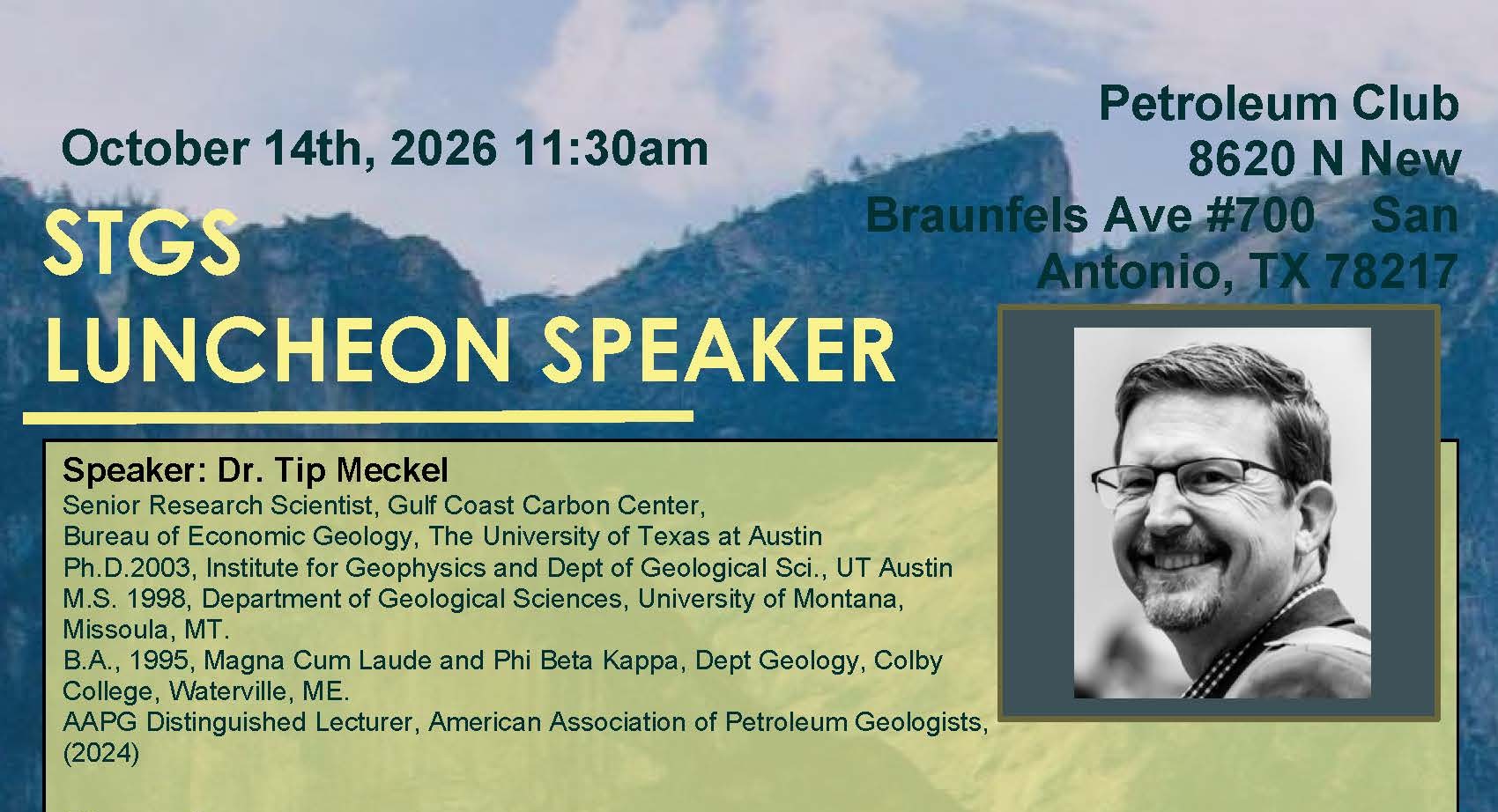
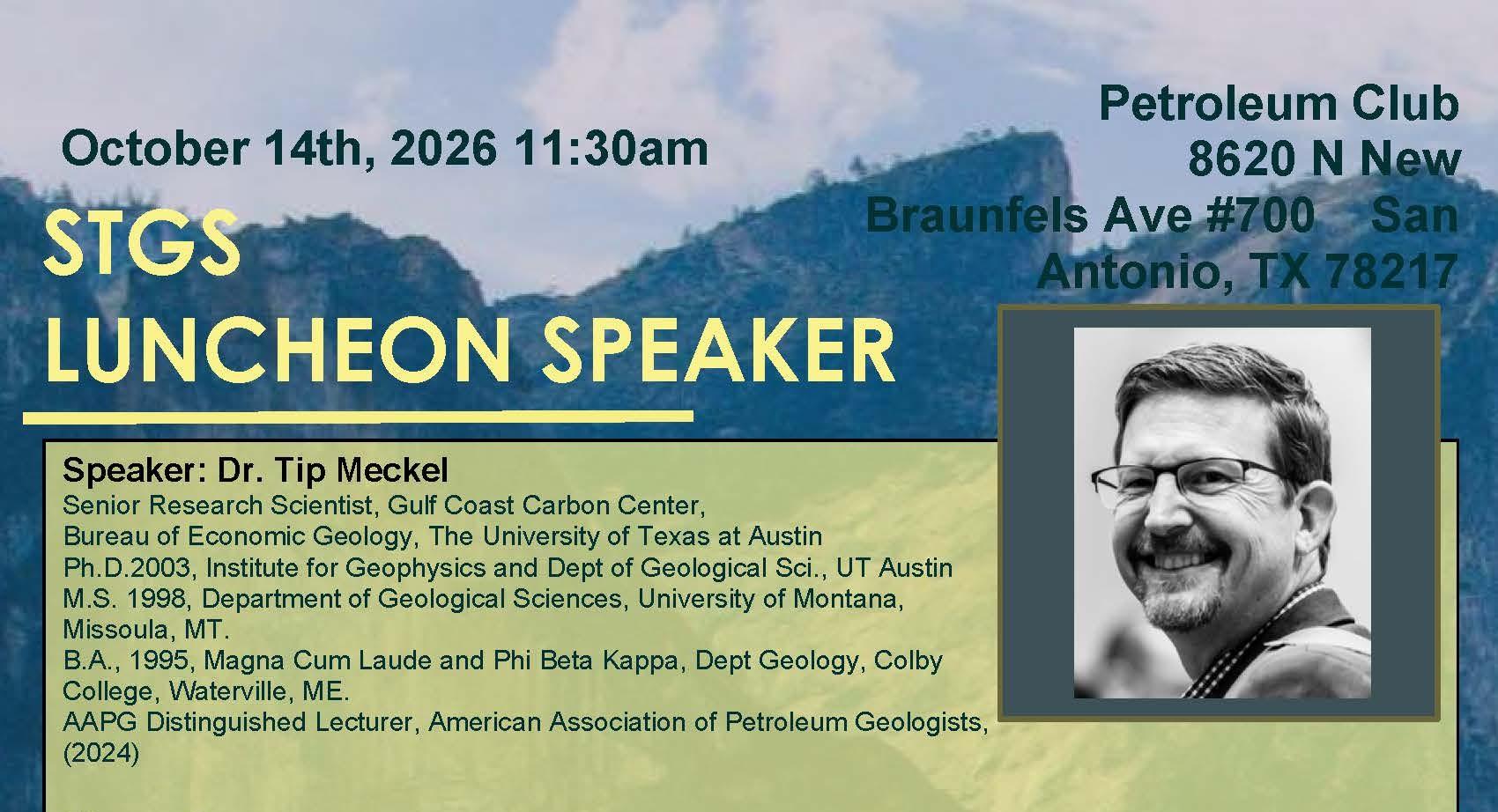
This presentation will provide both research developments in geologic carbon storage (GCS) and information about the current landscape and status of project developments. The content is informed by 20 years as a research scientist in geology and geophysics at the Gulf Coast Carbon Center at UT-Austin, as well as numerous field projects and support for industry-led commercial projects. Carbon dioxide capture and geologic storage (CCS; geologic sequestration) is a promising technology for reducing anthropogenic greenhouse gas emissions to the atmosphere from industrial point sources. Aspects of CCS have been investigated for over two decades, and many large‐and small‐scale geologic storage field demonstration projects are now underway globally. Interest in offshore CCS has been increasing in recent years (e.g., European Union, Australia, Japan, and the United States). Deep geologic storage in offshore settings is analogous to onshore CCS activities in many respects (i.e., geologic and geotechnical aspects), but is distinct from previously explored seabed sediment CO2 storage) or deep marine dissolution). Given the large subsurface geologic storage volumes available in offshore settings, much discussion of offshore CCS is focused on the benefits and risks of such activity compared to onshore settings. Similar to onshore settings, existing (legacy) wells likely present the most direct migration pathway and largest risk of non-containment in offshore settings. As part of current studies to evaluate geologic storage options in offshore settings along the Texas coast and greater Gulf of Mexico (GoM), mapping of the geographic distribution and ages of wells in a region containing coastal counties and extending 30 miles offshore Texas indicates that both well spatial density and well age decrease moving from onshore to offshore.
Come to learn about the current status of GCS in Texas (including some legislative, legal and regulatory aspects) and the state of commercial progress over the last 10 years.
|
|